

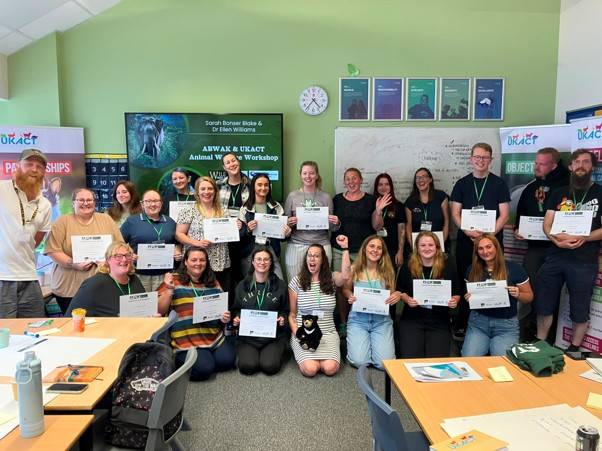
 Delivering the first joint ABWAK and UKACT workshop, with Wild Welfare
By Dr Ellen Williams August saw an exciting opportunity for me to co-deliver a workshop on animal welfare in zoos. Sarah Bonser-Blake, …
Posted 18 September
Delivering the first joint ABWAK and UKACT workshop, with Wild Welfare
By Dr Ellen Williams August saw an exciting opportunity for me to co-deliver a workshop on animal welfare in zoos. Sarah Bonser-Blake, …
Posted 18 September
Showcasing Harper Adams at the UKACT Annual Conference 2026
28 August 2026
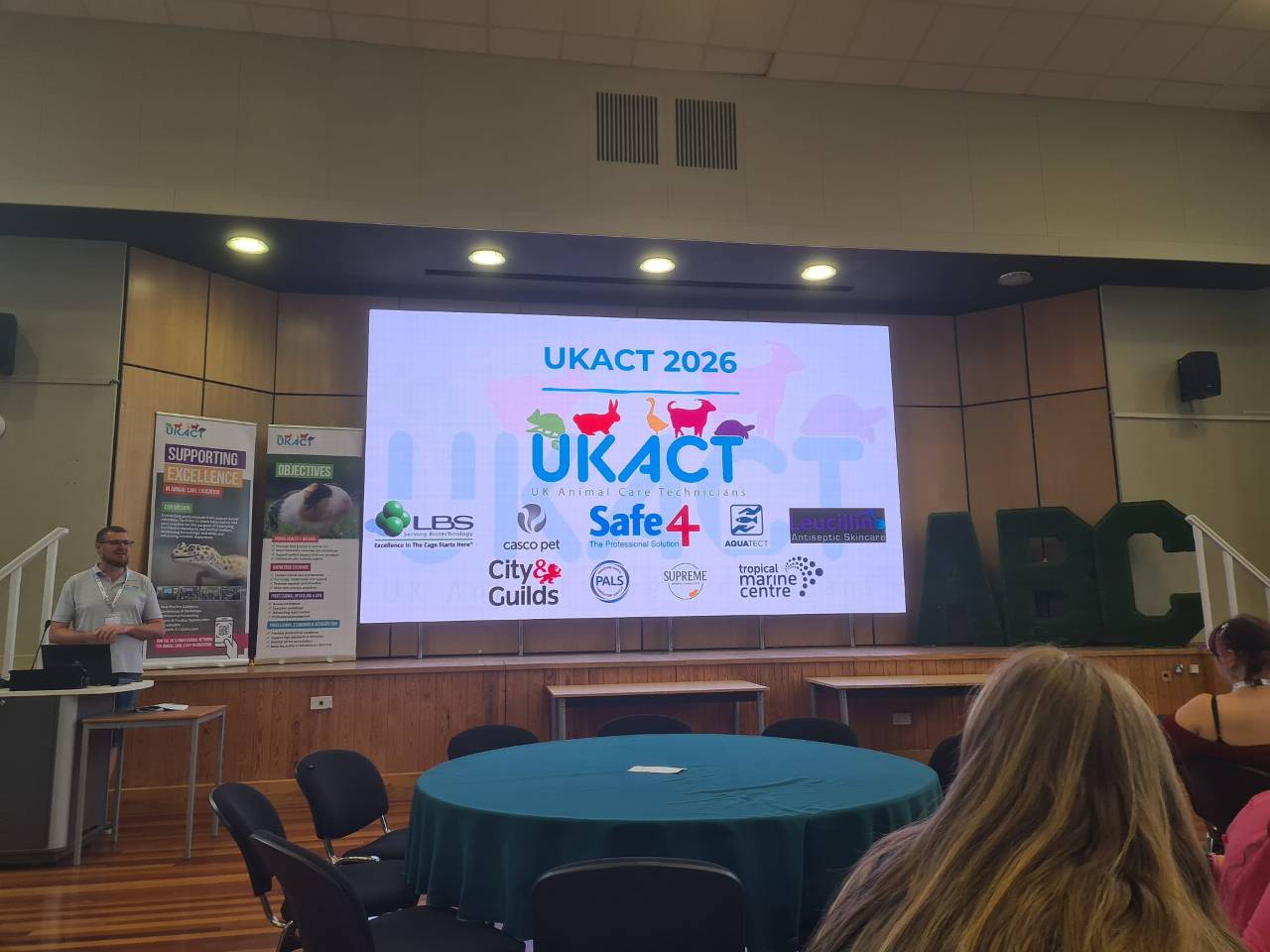
"Harper Adams are very well represented this year, aren’t they?"
What a fabulous thing to hear at the UKACT Annual Conference 2026!
As a relatively new group that started very much rooted in farm animal behaviour it is fair to say the Harper Animal Behaviour and Welfare Research Group are venturing into new areas - and I am really delighted to be one of the researchers leading that charge!
Dr Holly Vickery, Jen Sadler and I joined UKACT last year and I attended my first UKACT conference. It’s a great conference, lots of open discussions and lots of practical sessions to balance out some really interesting bits of theory. Last year I introduced our (at the time fairly new) survey on animal use in education. That QR code is still live, so if you work in an educational collection and you haven't completed the survey, there is still time!
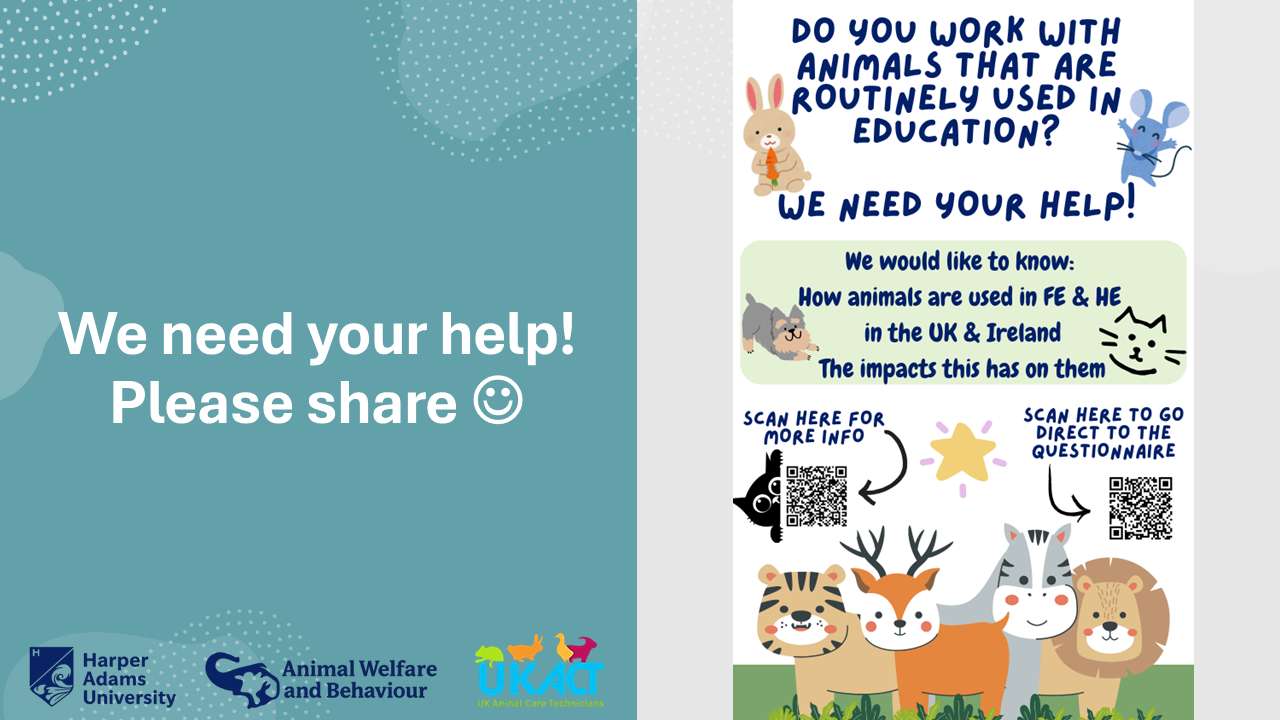
With requirements for veterinary schools to have animal use policies and modifications to zoo licensing requirements beginning in 2027, the way we use animals in education is starting to be considered more broadly. We wanted to really pioneer research in this area so the survey was designed to understand what educational facilities are doing with their animals, what they consider to be areas of welfare concern and identify areas they think we need to be developing.
This year we were invited back… it was my first time visiting Askham Bryan so I was really excited to join the conference again, and go to a new site!
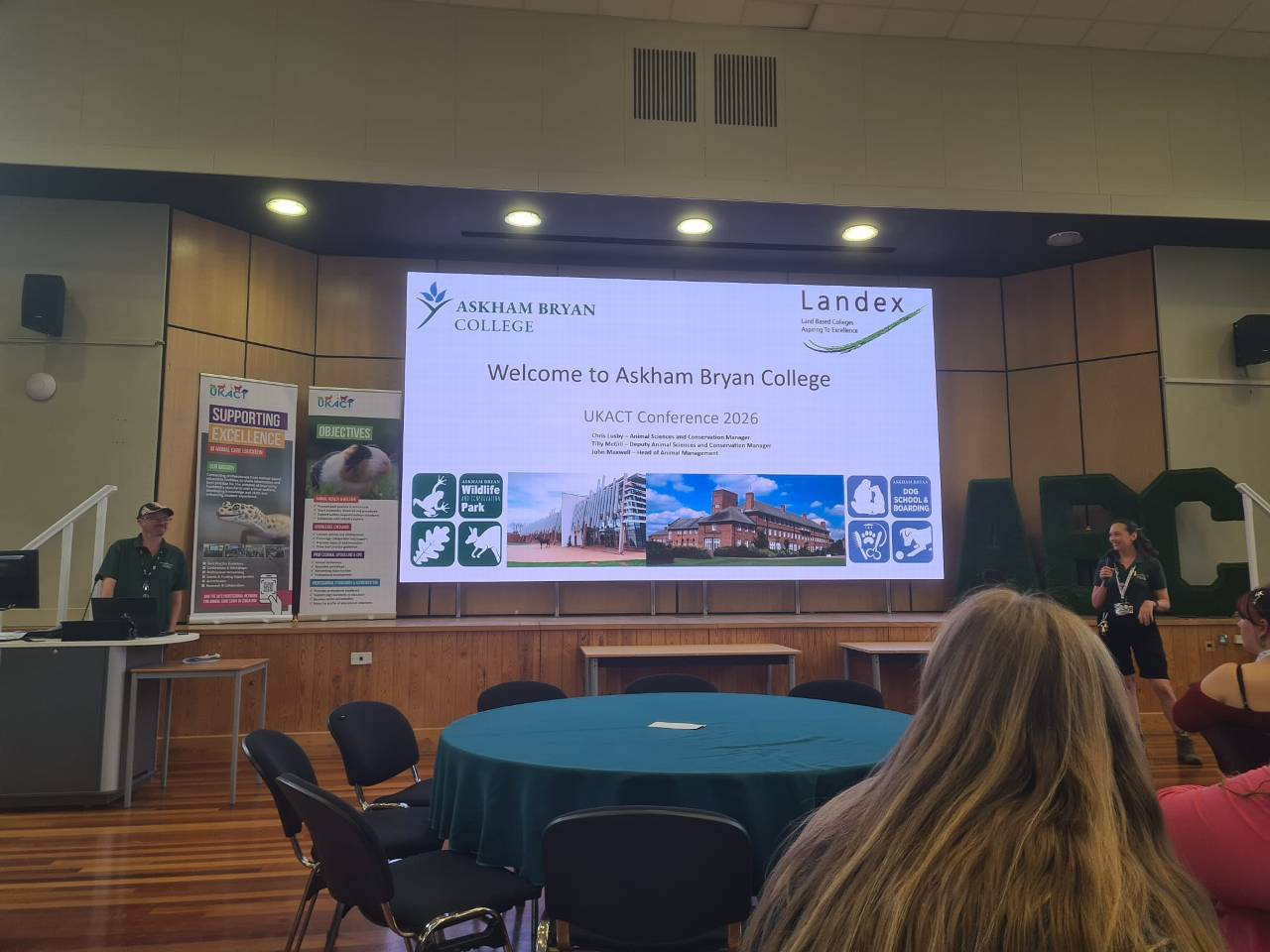
From a teaching perspective it was great to hear of all the innovative ways Askham Bryan College embed practical opportunities in the curriculum
I was invited to do a two-hour workshop on welfare assessment and Jen and Alice King, a PhD student and the fourth member of our great little team, were invited to host a stakeholder consultation event to further advance the animals in education work.
The workshop was on creating and using welfare assessments.
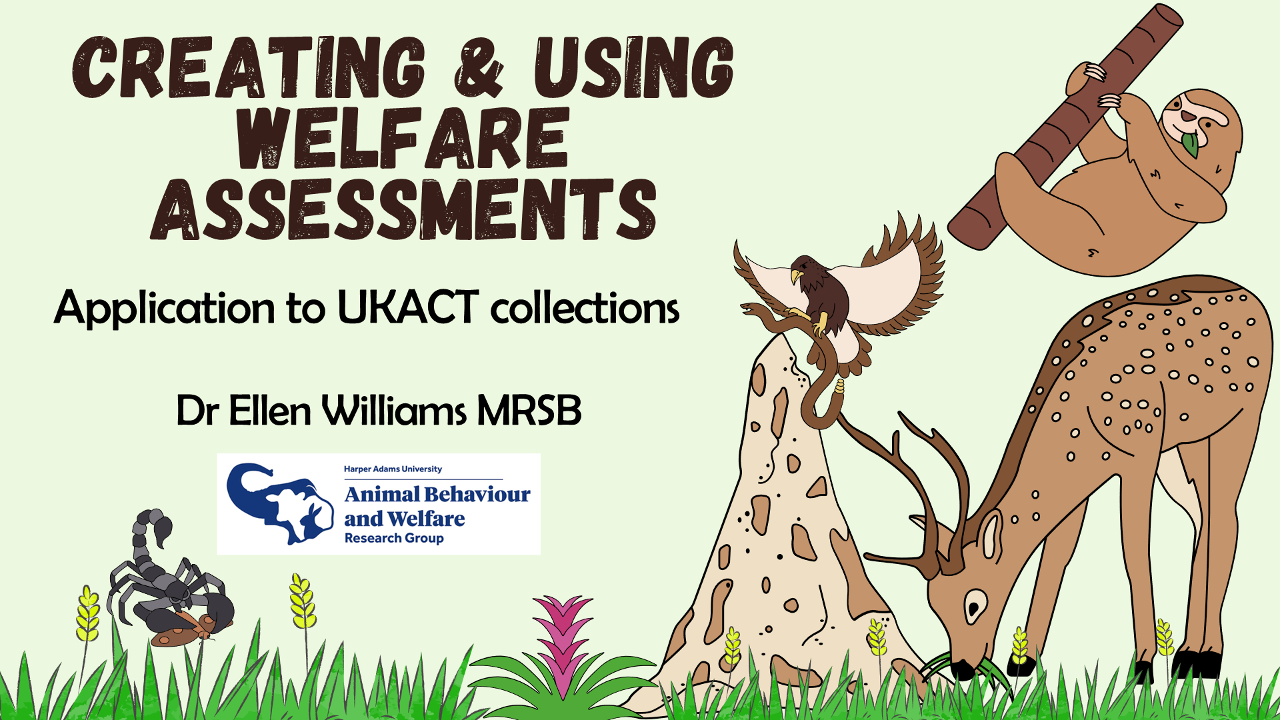
Our overarching plan was to help delegates to apply the concepts outlined in the WAZA Welfare Strategy to their own collections.
We only had two hours but the attendees were brilliant so we managed to cover a lot of ground – we started with a great discussion on how welfare audits and welfare assessments differ (plot spoiler: they do, and it is important we know the difference), before moving on to reviewing a number of welfare assessments including those that have been developed by accrediting bodies and those that have been developed by zoological facilities.
Once we had a good idea of what a good welfare assessment should look like we headed out for the most important part of the workshop, animal time!
Delegates spent time reviewing some animals in the exotics room at Askham Bryan (which is fairly newly developed) and then the otters (which is an older enclosure).
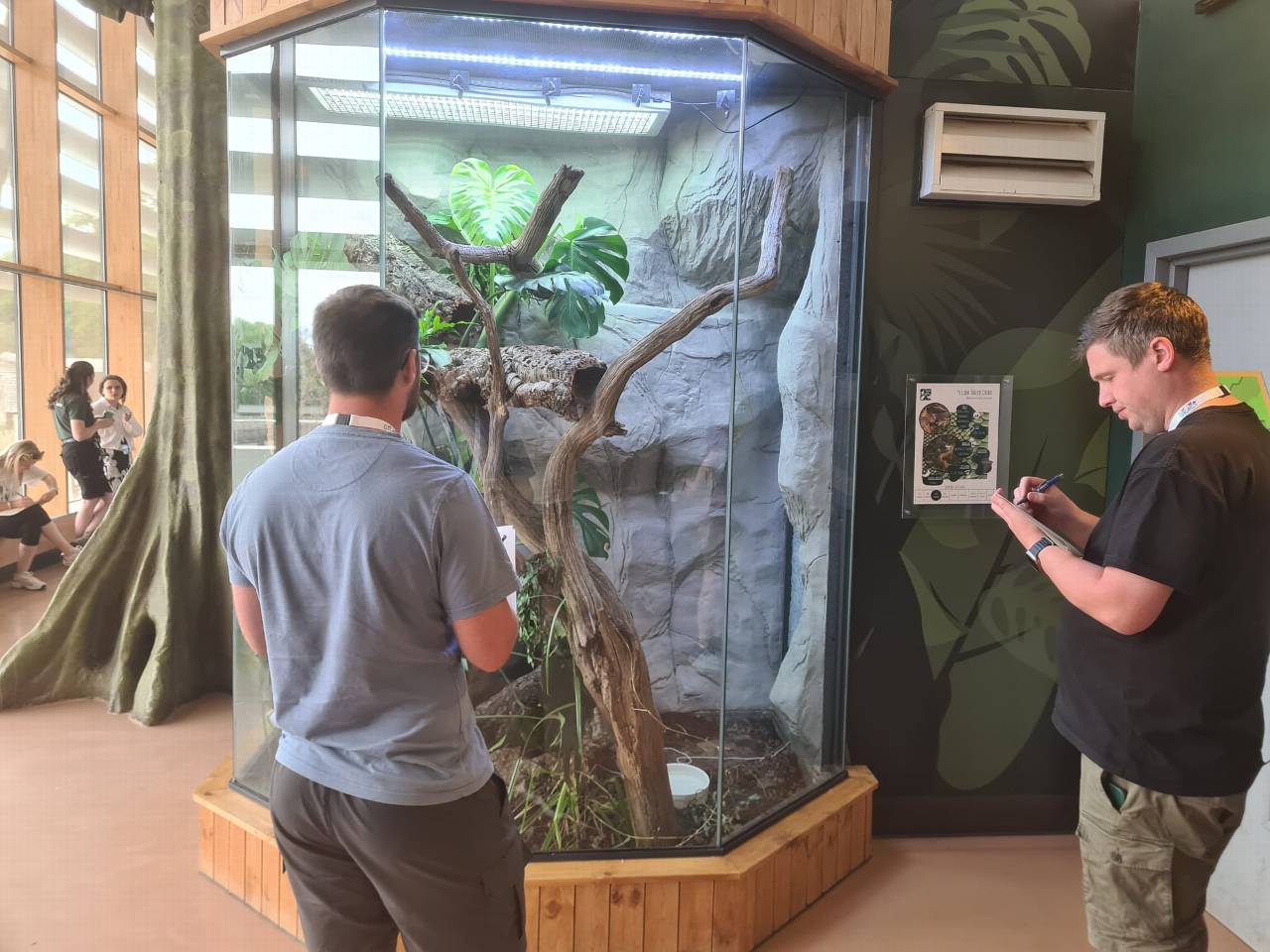
Observations in the exotics room at Askham Bryan
It's really important to understand whether your welfare assessment is capable of capturing the multi-faceted aspect of welfare and so having more and less developed enclosures is a great way to assess that. Once the observations were completed we headed back to the classroom for a debrief and then consideration of how we use welfare data to drive actual change, so some practical benefits came out of the workshop. Everyone seemed to really enjoy themselves and we spent a good amount of time discussing what we can actually do with the data we generate with welfare assessments. It was an absolute pleasure to be invited and i am already looking forward to the next conference!
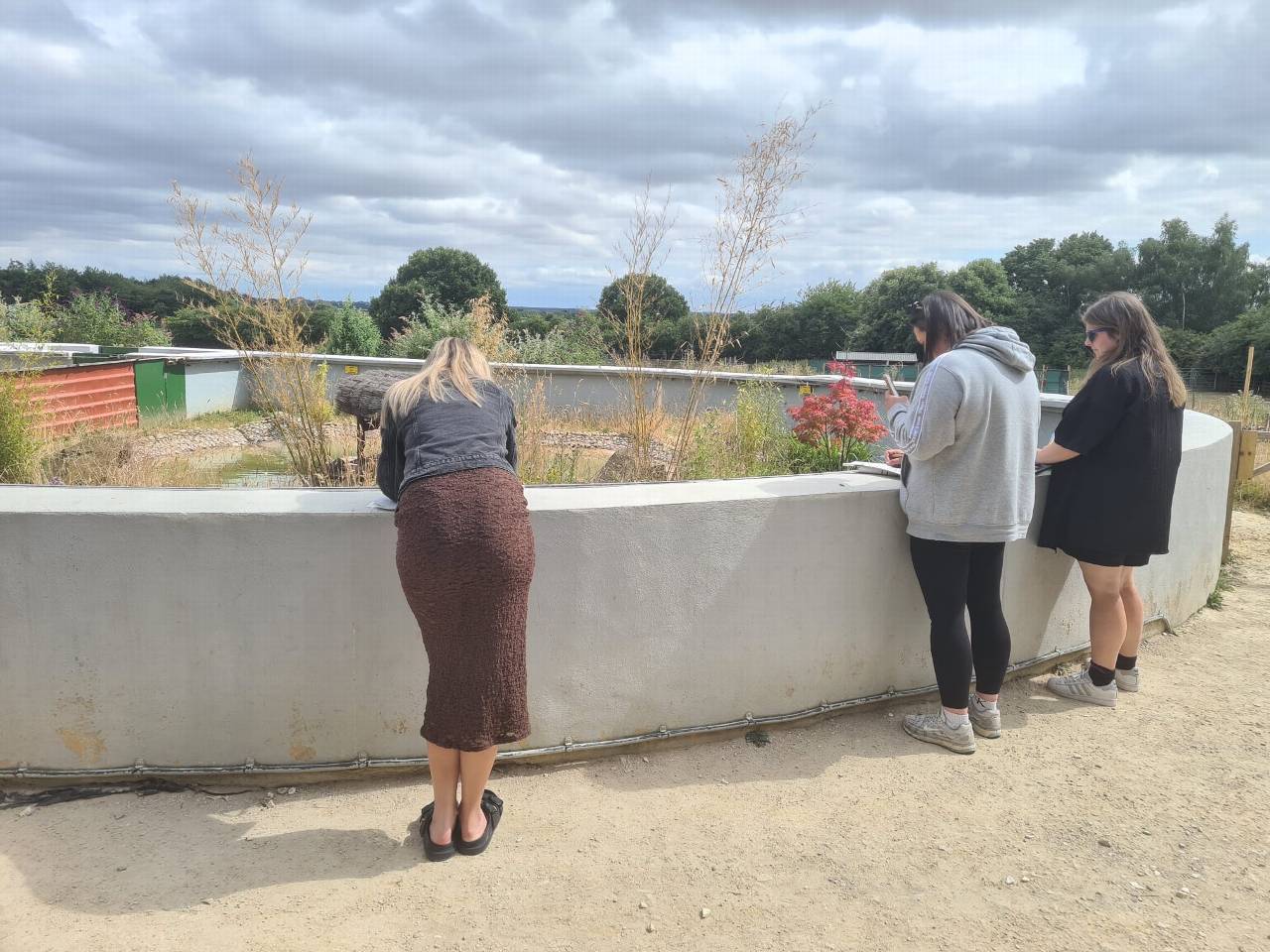
Applying the same welfare assessment tools to the otter enclosure. Undertaking comparisons such as these is really important in stress-testing your welfare assessment tool - does it capture differences in the way you anticipate it will?
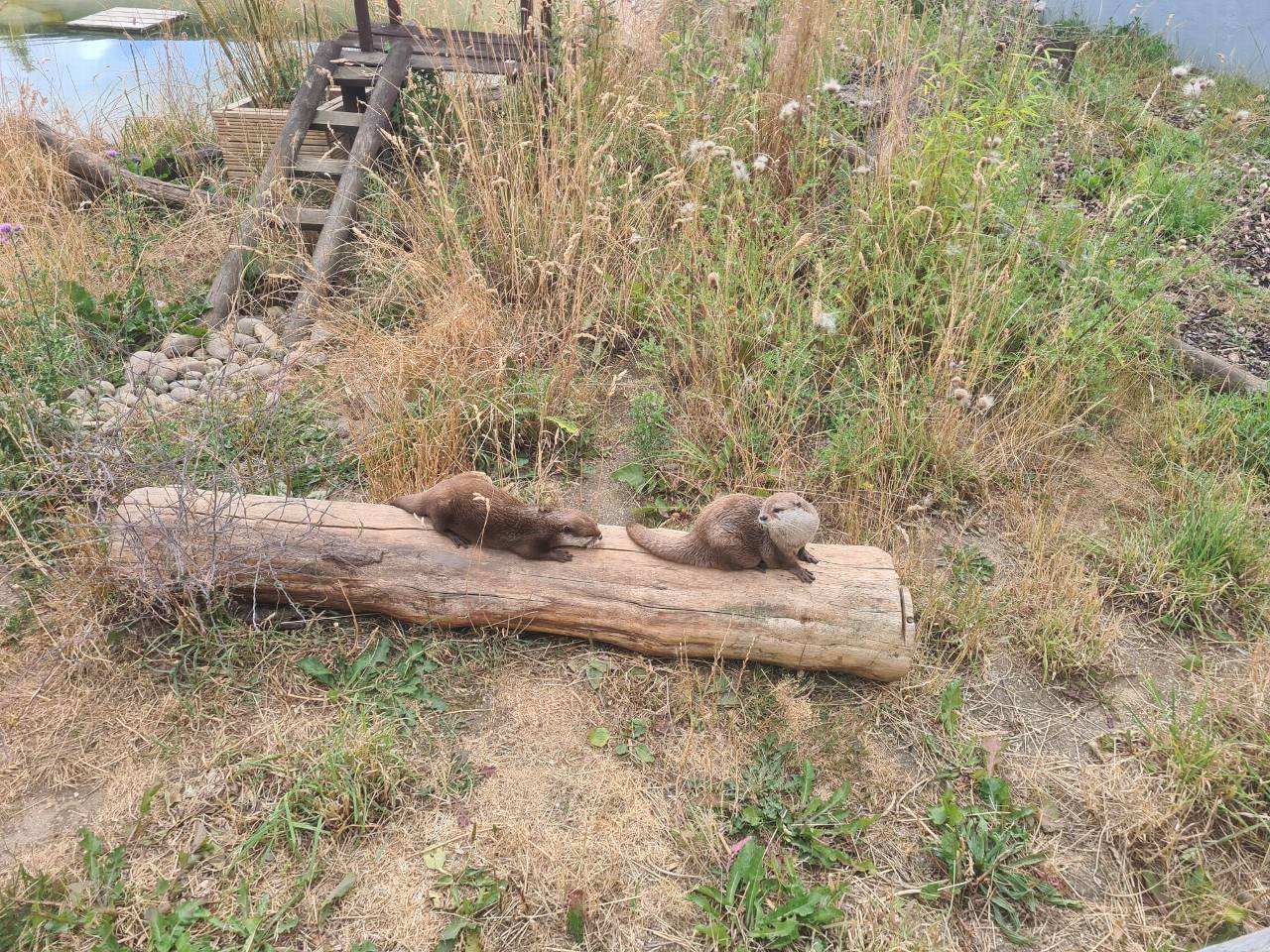
The learning is important but the otters are arguably more important!
On day two I was able to play a little bit more of a back seat, as it was time for Jen to do a short presentation on our work on Animals in Education.
We have discussed this work in previous blogs and there will be another soon on our growing team - we have had a placement student start, which is super exciting!
This year we have really started expanding this body of work. Jen and Alice have, as part of their PhDs, been undertaking stakeholder consultations to understand more about what practitioners consider to be welfare challenges to animals in their collections, considering risk factors to reduced welfare and how they think they can overcome those.
Their first consultation of the year was at a Landex event in June, which was also at Askham Bryan - this was their second consultation.
Jen introduced the project on Sunday morning, so that delegates knew a little more about the work before they then came to a 'speed workshop' in the afternoon that was being hosted predominantly by Jen and with Alice and myself as (partially) glamorous assistants.
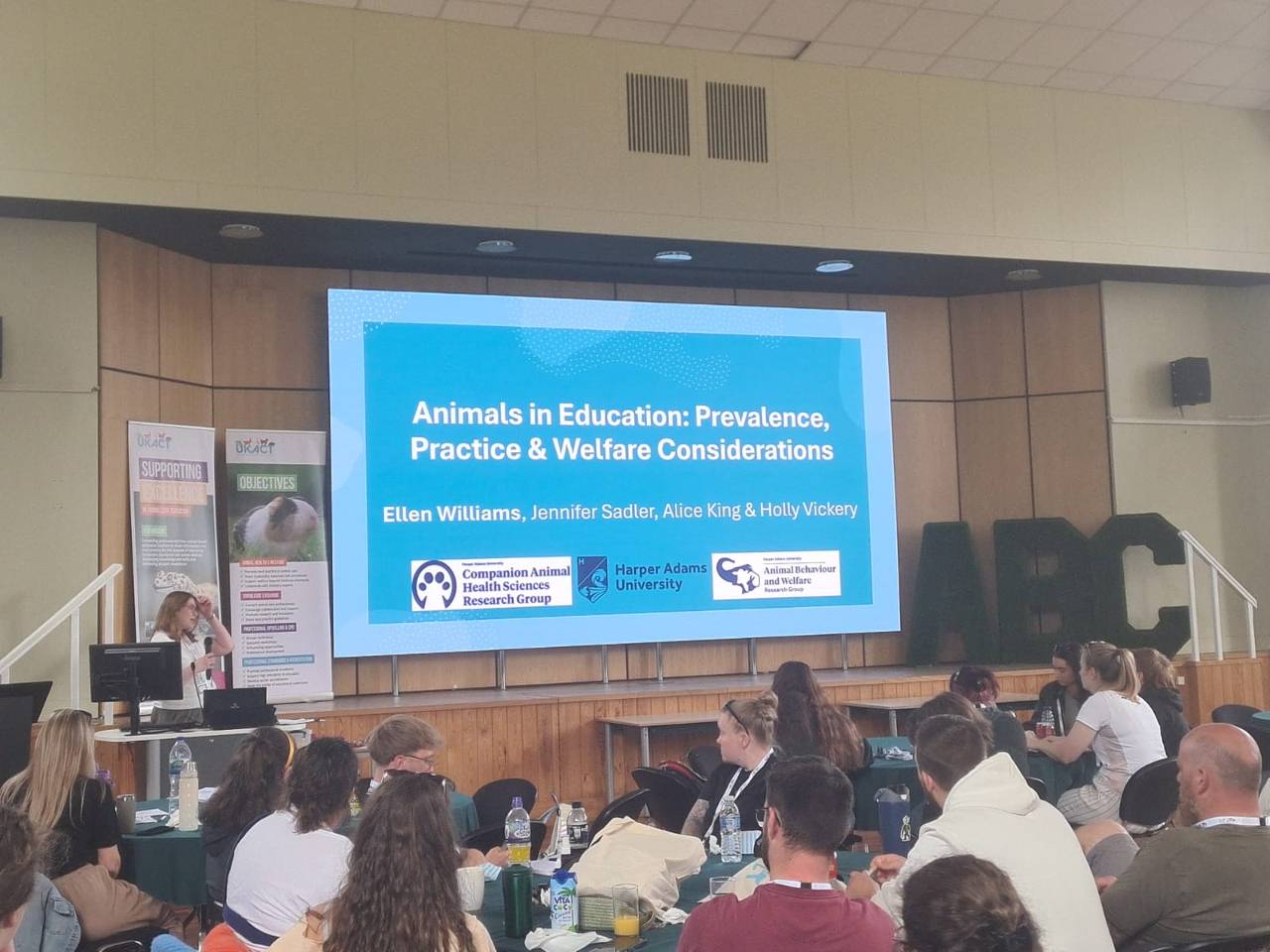
Jen introducing the speed workshop that delegates were going to be attending later on in the day
UKACT work hard to make sure their conferences are well received and breaking talks up with workshops and zoo tours is a fab way to do this.
During the speed workshop delegates were tasked with answering a few questions, including: what they believed positive welfare looks like within animal collections in education; key challenges to achieving positive welfare for animals in education and areas they identified as priorities for future research. There were some great discussions during the workshop and lots of really useful information was generated. The plan is to turn this into a publication later this year, so keep your eyes peeled for more information!
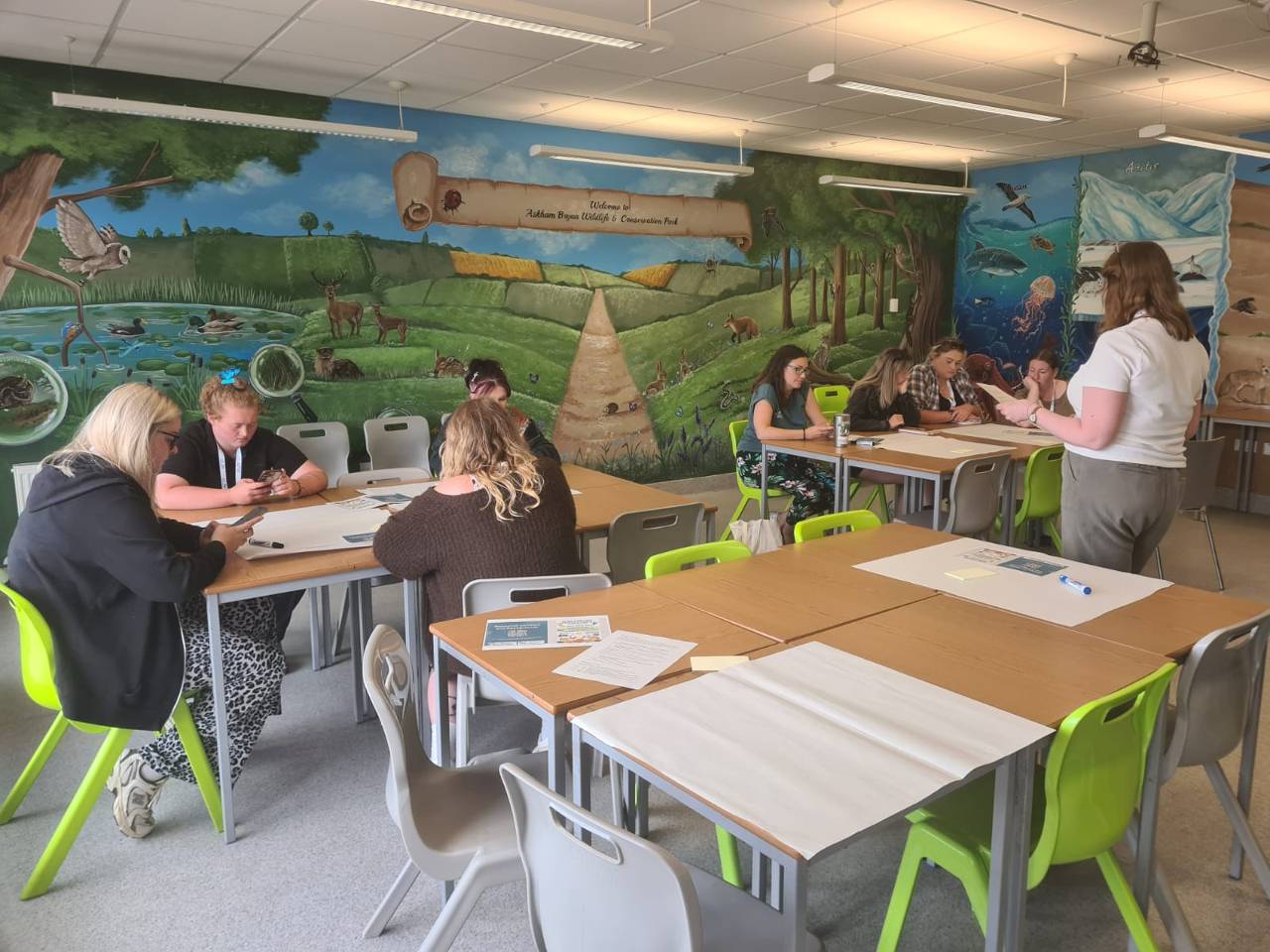
Delegates working in groups to answer some of the key questions that are underpinning work in our research group
Reflecting on the weekend I felt like I was yet again absolutely shattered but excited for the opportunity to continue engaging with the UKACT community in the future. Alice and Jen made some amazing connections during the conference too, so as their PhD supervisor I am also excited for where those initial conversations lead to.
Alice said: “The conference was a great chance to connect with other animal collections and discuss guinea pigs! We are hoping for lots of cross-collaboration during my personality data collection and will definitely be attending next year.”
And Jen added: "It was such a valuable opportunity to be able share our work with and to be part of a community equally passionate about animal welfare. The conference has left me excited about the future direction of animal educational collections."
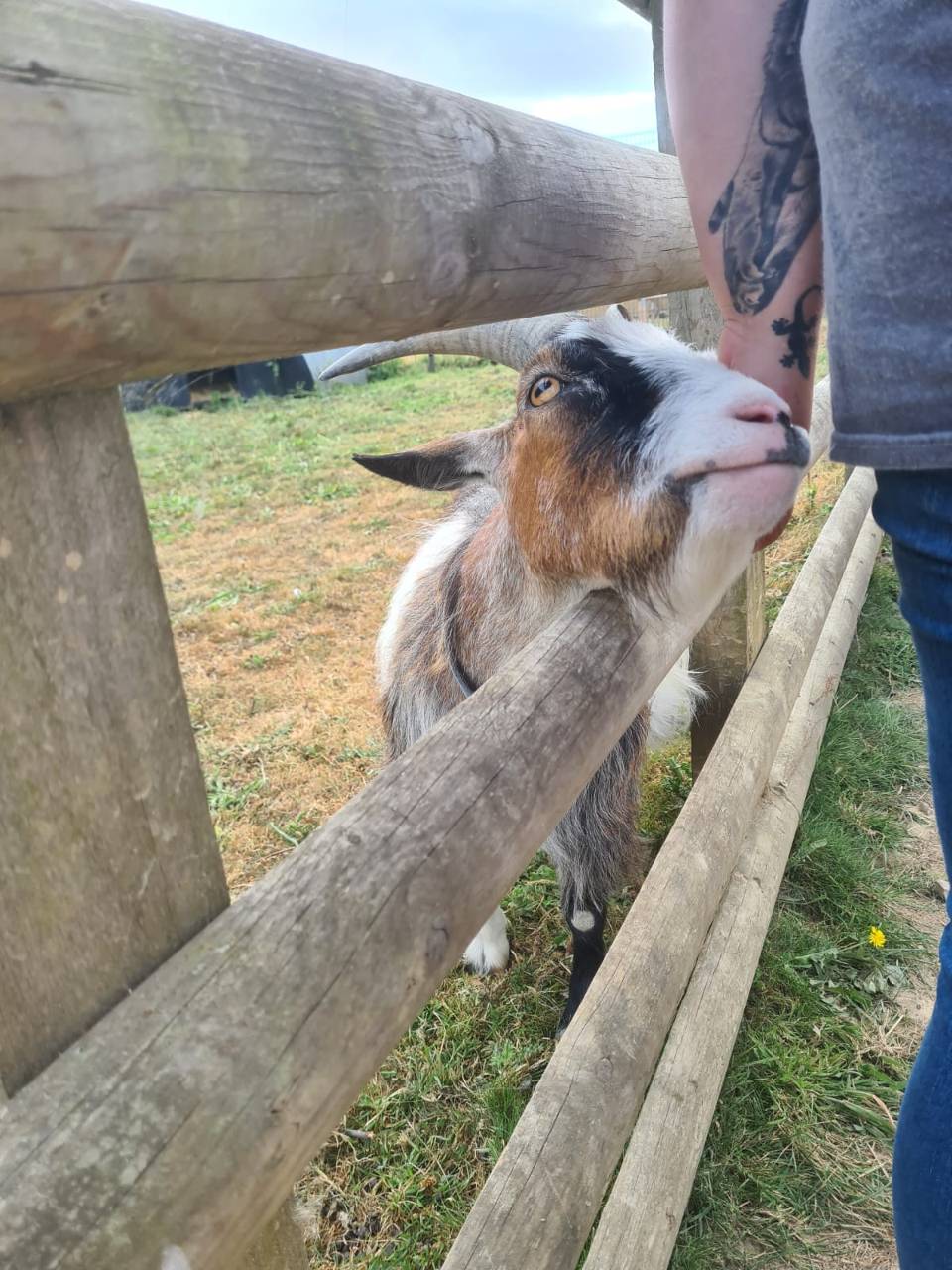 Unfortunately Holly couldn't make the UKACT conference, so we ensured we fitted in some goat time to make sure she was fully represented!
Related Posts
Delivering the first joint ABWAK and UKACT workshop, with Wild Welfare
By Dr Ellen Williams August saw an exciting opportunity for me to co-deliver a workshop on animal welfare in zoos. Sarah Bonser-Blake, …
Posted 18 September
 Confused meerkat or sleek workshop host? A look into the BIAZA research conference 2026
By Dr Ellen Williams As a Professional Member of the British and Irish Association of Zoos and Aquariums (BIAZA) and a Member of their …
Posted 24 July
Confused meerkat or sleek workshop host? A look into the BIAZA research conference 2026
By Dr Ellen Williams As a Professional Member of the British and Irish Association of Zoos and Aquariums (BIAZA) and a Member of their …
Posted 24 July
 Harper Adams colleagues forge research links with Halesowen College
Four members of the Animal Behaviour and Welfare Research Group (Dr Holly Vickery, Dr Ellen Williams, Jen Sadler and Alice King) had an exci …
Posted 22 June
Harper Adams colleagues forge research links with Halesowen College
Four members of the Animal Behaviour and Welfare Research Group (Dr Holly Vickery, Dr Ellen Williams, Jen Sadler and Alice King) had an exci …
Posted 22 June
 A 'good life' for pigs - and other exciting animal science research at BISAS 2026
Dr Holly Vickery attended the British and Irish Society of Animal Science (BISAS) Annual Conference in April. She has written about her …
Posted 3 June
A 'good life' for pigs - and other exciting animal science research at BISAS 2026
Dr Holly Vickery attended the British and Irish Society of Animal Science (BISAS) Annual Conference in April. She has written about her …
Posted 3 June